Copyright Registration
Copyright protects original creative expression once it is fixed in a tangible form, such as a manuscript, photograph, recording, film, or digital file. Protection arises automatically; registration with the U.S. Copyright Office is a separate step that provides important legal benefits.
Copyright can protect the way an idea is expressed, but it does not protect the idea itself, facts, methods, or the functional features of a useful product. Artistic features of a useful product may qualify for protection if they can be identified separately from the product’s function.
Types of Copyrightable Works
Literary works include books, articles, poems, website text, and computer software code.
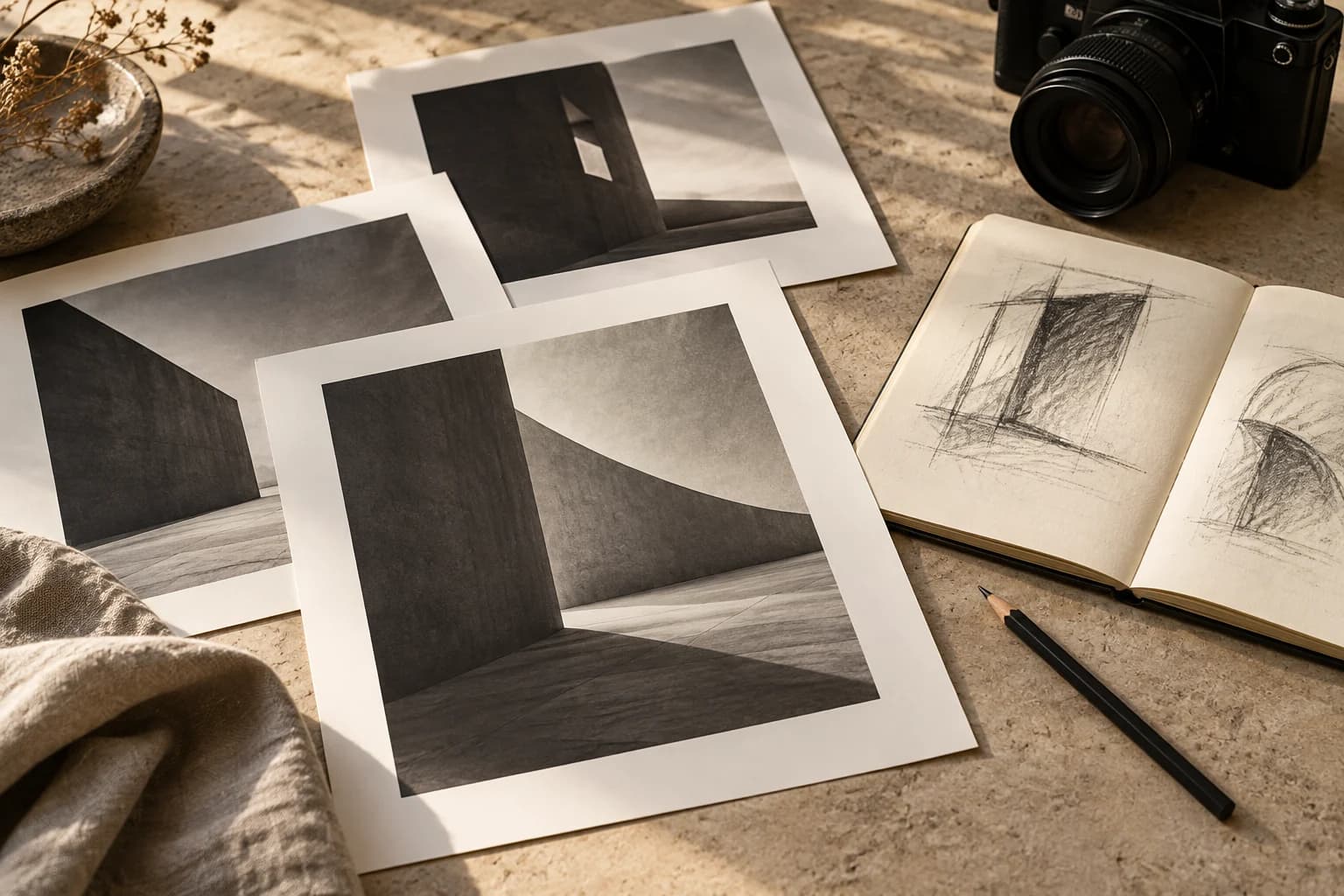
Visual arts works include photographs, illustrations, paintings, graphic designs, sculptures, and architectural works.
Performing arts works include musical compositions and lyrics, plays, screenplays, choreography, and pantomimes.
Sound recordings protect a particular recorded performance and its production. The underlying song or composition is a separate work with its own copyright. Depending on ownership and other filing requirements, both works may sometimes be included in one application.
Motion pictures and other audiovisual works include films, television programs, documentaries, and videos that convey a series of related images, with or without accompanying sound.
Individual and Group Registration
Most applications register a single work. The Copyright Office also offers group registration procedures for certain qualifying works, including groups of unpublished works and groups of published or unpublished photographs. Other procedures may be available for eligible works published together or as part of a series. Each procedure has specific requirements concerning authorship, ownership, publication, and the number of works that may be included.
Ownership and the Benefits of Registration
The creator is generally the initial copyright owner, but ownership may differ for a work made for hire or a work whose rights have been transferred. Identifying the correct author and claimant is an important part of preparing an application.
Registration creates a public record of the claim. For most U.S. works, registration by the Copyright Office is required before filing a copyright infringement lawsuit in federal court. Timely registration may also make statutory damages and attorney’s fees available if infringement if found.
How Long Does Copyright Last?
For a work created by an individual author on or after January 1, 1978, copyright generally lasts for the author’s lifetime plus 70 years.
Under U.S. law, a copyright in a qualifying work made for hire generally lasts 95 years from the year of its first publication or 120 years from the year of its creation, whichever expires first. The employer or qualifying commissioning party is considered the legal author of the work.
Torani Law P.C. helps creators and businesses identify protectable works, assess ownership, select the appropriate filing procedure, and prepare copyright applications. We work with clients to develop registration strategies that support their broader business and enforcement goals.